Articles & News

Why Mediation Matters Before Making a C100 Application
Before making a C100 application to the Family Court about child arrangements, most parents must first attend a Mediation Information and Assessment Meeting (MIAM) unless a recognised exemption applies. This requirement reflects the court’s expectation that, where safe and appropriate, parents should try to resolve disputes outside contested proceedings to reduce cost, delay and conflict. Mediation can help families reach workable co‑parenting arrangements rather than having an order imposed.

GMP uses DAPOs
Greater Manchester Police is now using Domestic Abuse Protection Orders (DAPOs) across all districts following an 18-month pilot, with over 870 orders made and more than 460 arrests for alleged breaches. This article explains what a DAPO is, the wide range of behaviour it can cover, and the types of restrictions and positive requirements the court can impose. It also outlines how you may be able to challenge, vary, or discharge an order, and why it is critical to check hearing dates and seek advice early. Breaching a DAPO without reasonable excuse is a criminal offence, including where the protected person contacts you first. DADSS offers guidance for respondents and can help you access appropriate specialist legal support.

Has the shield that's been created to protect victims of domestic abuse been turned into a weapon?
A powerful examination of how domestic abuse laws and protective orders — created as a vital shield for genuine victims — can, in some cases, be manipulated as weapons in divorce battles, child contact disputes, and immigration cases. This article explores the growing concerns surrounding false allegations, DAPOs, and due process, while asking whether the justice system has lost the balance between protection and fairness.

Migrants making false domestic abuse claims to stay in UK
An investigation by the BBC has uncovered troubling evidence that some migrants are manipulating domestic abuse protections to secure the right to remain in the UK.
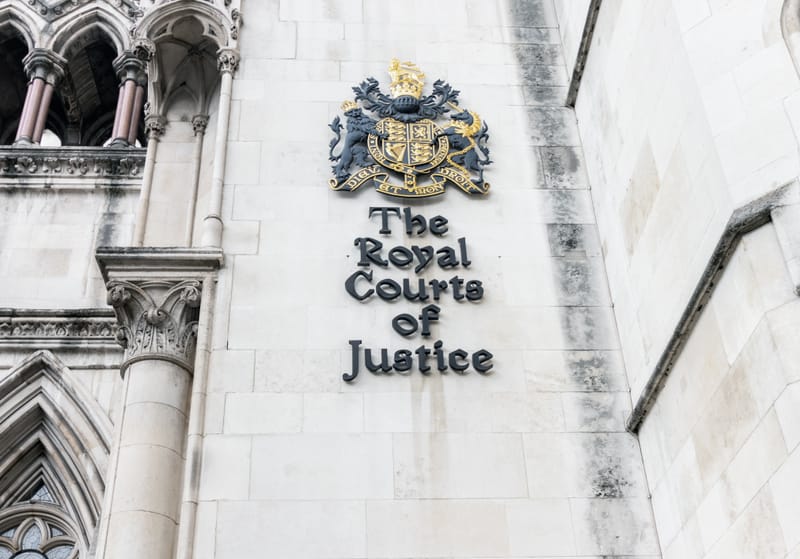
Children to get swifter justice as new family court approach expands nationally
DADSS Articles summary: The UK is rolling out Child Focused Courts nationwide across England and Wales to speed up family court decisions and strengthen child protection. Building on successful pilots that halved backlogs and resolved cases up to seven and a half months sooner, the model aims to reduce the trauma caused by lengthy, adversarial proceedings. Earlier risk identification-particularly around domestic abuse-combined with streamlined processes is intended to deliver faster, safer outcomes for children and families.

Domestic Abuse Protection Orders Expand Across England and Wales
Domestic Abuse Protection Orders (DAPOs) are expanding across England and Wales under the Domestic Abuse Act 2021, introducing strengthened protections intended to improve victim safety. As their use increases, legal professionals continue to assess how these powers are applied in practice and the impact on already pressured family and criminal courts.

Key Facts
DADSS Articles - Key Facts: The Act introduces two new civil protective measures to strengthen responses to domestic abuse: Domestic Abuse Protection Notices (DAPNs) for immediate, police-issued protection, and Domestic Abuse Protection Orders (DAPOs) for longer-term, flexible safeguarding. DAPNs can provide rapid post-incident protection, including requiring a perpetrator to leave the victim’s home for up to 48 hours.